We all have the list. You know what list I’m talking about. The list of places that we want to visit in our lifetime. Some want to travel to all ends of the world, and see as much as possible. Others might just have a short list of stops near by. But regardless, we all have the list. And recently, I was able to check a number of places off of mine.

If you follow me on Instagram or Twitter, you probably noticed some of my EuroTrip photos over the last couple of weeks. I spent 10 days travelling to six different countries in Europe.
Where did I go?
- London, UK
- Paris, France
- Interlaken, Switzerland
- Rhine Valley, Germany
- Amsterdam, Holland
- Bruges, Belgium
My goal? To experience something unique in each country. Whether it was food, drinks, nightlife or just day-to-day life, I wanted to see what each location had to offer. And I was far from disappointed.
Of course, beer was a very important part of these unique experiences. In each city, I searched out the local pub or brewery, and tried some of the best beers that Europe has to offer. And no, I’m not talking about Heineken.
My #EuroBeerTrip gave me more than great beer. It taught me a lot about brewing practices around the world, and brought me to places I probably would have otherwise missed. Beer changed the way I saw Europe, and helped me learn something unique about each area I visited. Here are three things that I learned while travelling Europe, one beer at a time.
1) Cask Beer Needs More Attention
My first night in London was a bit of a whirlwind. Between travelling by myself for the first time ever (like ever!!), jet lag, the time change and not knowing much about the area in which I was staying, I was a tad overwhelmed. How do I deal with this kind of stress? Beer (save your judgement).
In need of something to calm by nerves, I ventured out of my hotel and wandered through the neighbourhood of Hackney, where I was staying. I didn’t have to search for long to find a local tavern that looked like the perfect place to grab a pint before dinner.
I walk into this small, dimly lit pub with about 12 people inside, and more taps than I could count. Perfect.
Taking at seat at the bar, I ask the bartender what kind of IPAs he has on tap. He offers me one from a cask, that will be slightly flat and not very cold, and one from the tap that would be fizzy and very chilled. In the spirit of trying what the locals drink, I opted for the cask IPA. I would soon come to regret nothing!

My beer of choice was the MK4 IPA by Almasty Brewing Co. (Newcastle, UK). True to its promise, this brew was slightly flatter than most IPAs I’ve tried, but that didn’t hinder the delicious, deep and complex flavour that it offered. And despite the “warm beer” rumours circling around the UK, the temperature of this beer was perfect. Most IPAs shouldn’t be served too cold, and this one was at just the right temperature to highlight its flavour.
We see cask beer in Canada from time to time. Usually it’s a special occasion brew that a local establishment will tap for a party or big event. But I think there is something to be said for experiencing beer from a cask, especially IPAs. This is certainly something I would welcome more often here, and I have a feeling I’m not alone.
2) Switzerland is a Brewing Underdog
Everyone knows about Germany’s reputation when it comes to beer. And it was obviously one of the aspects I was most looking forward to about that stop. But as we entered Switzerland, I quickly learned that Germany is not the only beer mecca in Europe.
Switzerland’s strict brewing laws, similar to those of Germany, make it so that most of the beer brewed there is made with only the purest ingredients, and no added preservatives. Here’s a short summary of these laws:
- Limits to the amount of additional sugars and starch that can be introduced into the malt.
- Only hops can be used in the brewing process; no fruits or aromatic additives.
- All beer must be pumped using gas pressure delivery systems.
The result of these strict brewing laws is beer that is so smooth, you don’t realize how much you’re drinking. And while normally, this can be a dangerous thing, it’s so pure that you don’t really feel the after effects the next day.
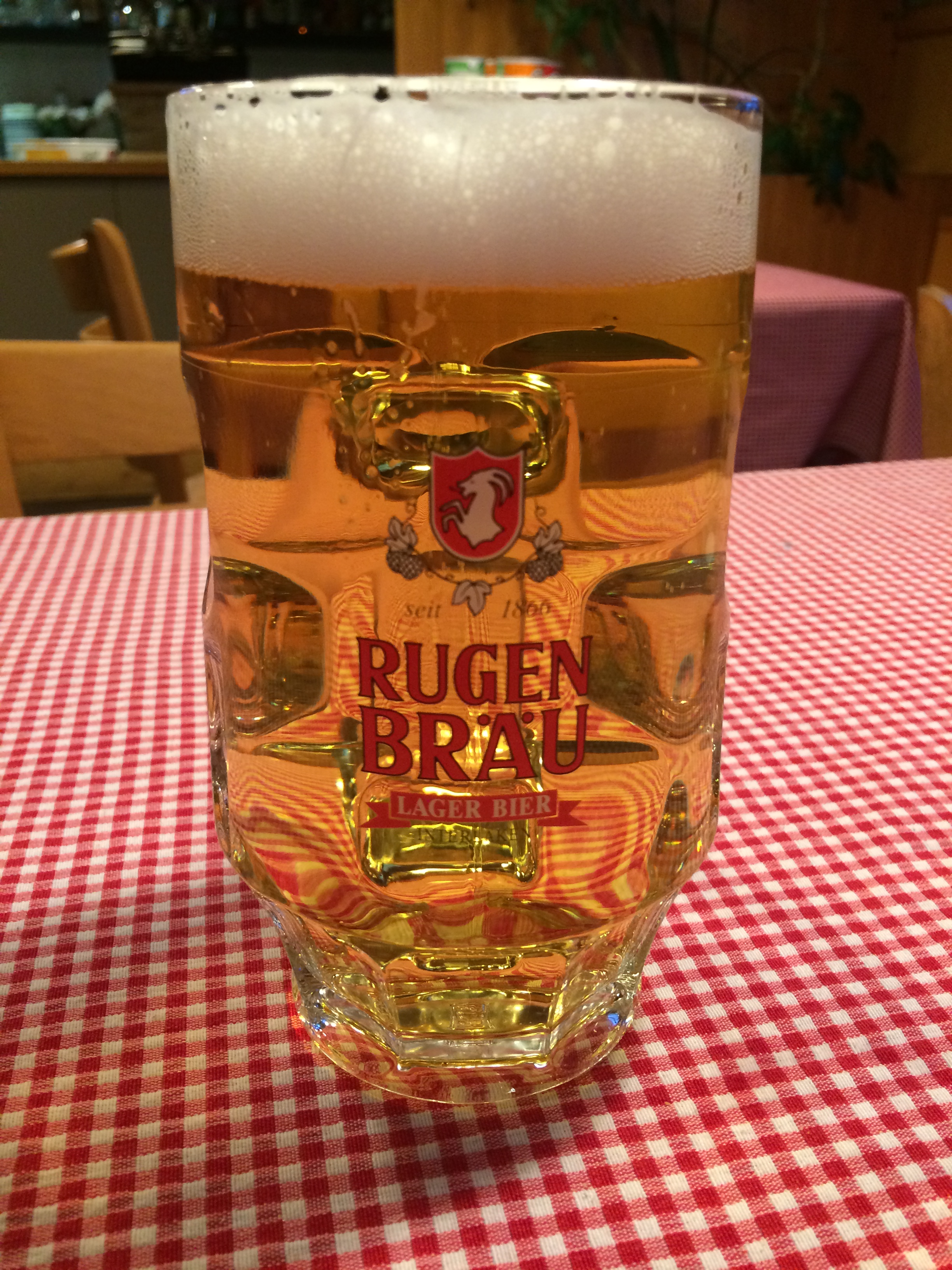
One of the most endearing qualities about Switzerland is the way towns and cities support their local breweries. No matter where you go in a particular city, you’re almost guaranteed to find a local beer on tap. I stayed in the village of Wilderswil, and enjoyed plenty of the local Rugenbrau at my hotel. So much so, that I decided to take a trip to the brewery, which was just a short hike away. I’ll skip the unforgettable white wine cream soup I enjoyed at their restaurant, and focus on the beer I enjoyed on the side. Unsurprisingly, it was crisp and refreshing, and a perfect pairing for the soup I enjoyed on a rainy, cold day.

Canada, and Ottawa in particular, has been very supportive of its craft beer scene in recent years. Despite the recent increase in craft breweries, things are still exceptionally difficult for them when it comes to competing with the big companies like Anheuser Busch or Molson-Coors.
We could all learn something from the people of Switzerland when it comes to supporting local breweries. What exactly that looks like, I’m not too sure. But having seen another country’s support for the businesses in their area, I know we have some work to do.
3) There is More to Germany Than Beer
Here’s an unsurprising fact: Germany is pretty good at brewing beer. So naturally, I was pretty excited for this part of the tour. And of course, Germany did not disappoint. While floating down the Rhine River on a boat cruise, I enjoyed a light, refreshing lager that was so smooth, I could have drank a very dangerous amount. (It’s amazing this trip wasn’t more damaging to my body.)
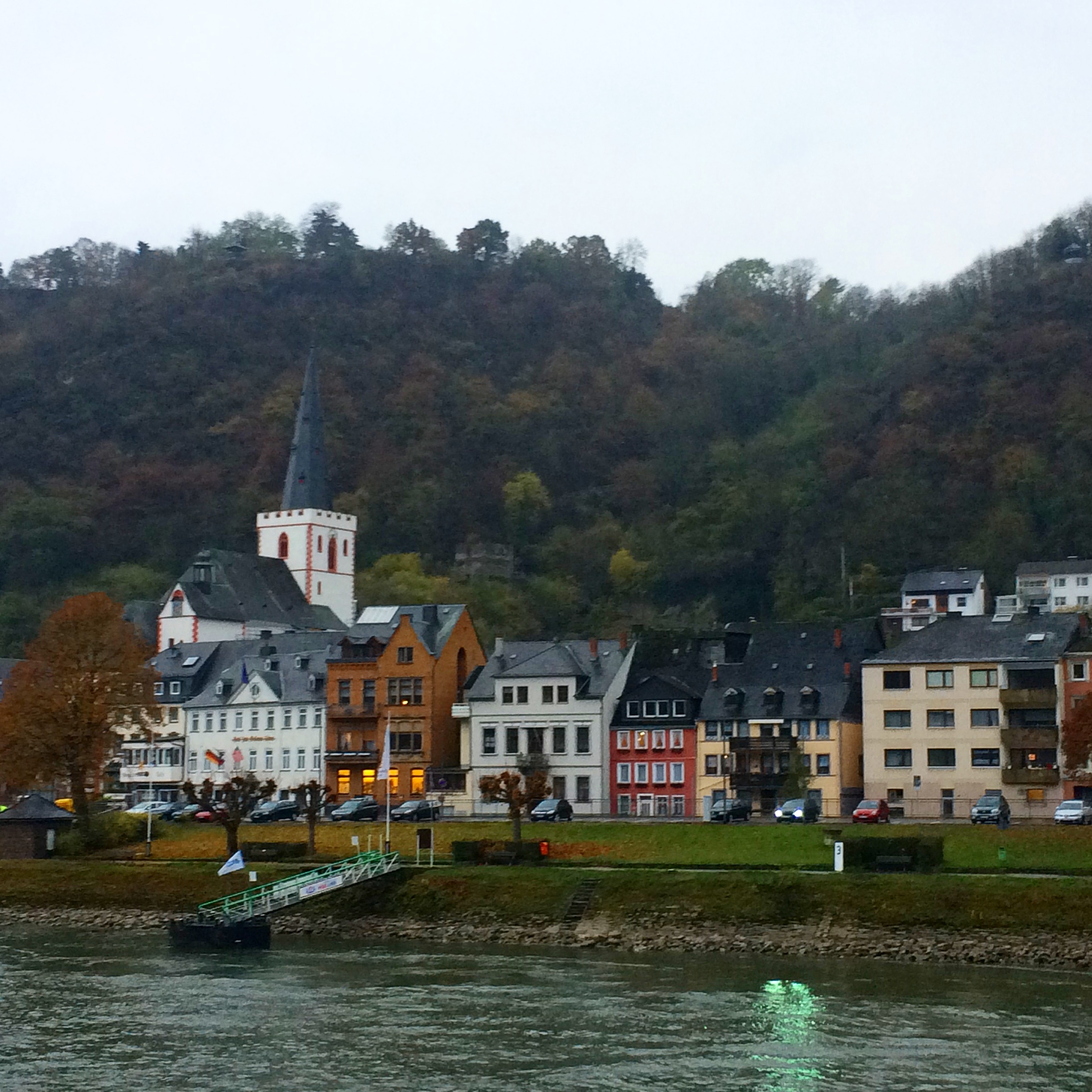
But it was what came after the beer that surprised me the most. The Rhine Valley is an area of Germany known to produce a large amount of wine. Part of my tour involved a wine tasting at a local vineyard. It may come a somewhat of a surprise, but in addition to craft beer, I also have a strong love for wine. Specifically, red wine. And the wine we tasted was nothing short of fantastic.
The Rhine Valley features hundreds of wineries located on steep-sloped mountains. That means that the grape fields are all on 45-degree angles. As a result, farmers cannot use machines to pick the grapes. They all must be picked by hand, meaning more eyes are on the grapes, and fewer bad grapes are added into the wine-making process. This drastically improves the quality of wine, which was evident in our tasting.

We tasted the vineyard’s pinot noir, riesling and (a Rhine Valley specialty) ice wine. Fun fact: The Rhine Valley is one of the largest producers of ice wine in the world. Following the one and only Canada! Ice wine is just wine in which the grapes are picked and processed at -7C or lower. The result is a very sweet, refreshing wine. Almost like Prosecco without the bubbles. And, spoiler alert, it’s delicious.
So while Germany may be known for its beer, of which there is plenty, it’s time we start talking about its amazing wine. Next time you’re looking for a new region to try wine from, make sure you add Germany to your list.
There are many reasons why I am going to remember this trip forever. From the sights, the food, the culture and of course the beer, this was certainly a once-in-a-lifetime experience. My love of beer took me to places I probably wouldn’t have ended up otherwise, such as a winding mountain road in Switzerland. I learned that this was more than just a hobby, but a passion that changes the way I see the world. And I wouldn’t change a thing.
 Crafted in the Capital